
For someone who spends a good portion of his working life organising data, I am remarkably bad at keeping track of what I read, watch, and listen to. No spreadsheet, no Letterboxd, no tidy Notion database. Things accumulate and then, every so often, I stop and notice a pattern I didn’t intend. This is one of those moments. Make of it what you will.
Reading
Bálint András Varga’s György Kurtág: Three Interviews and Ligeti Homages has been on my bedside table for weeks. Varga calls it a portrait sketch, and that modesty is earned: the interviews keep circling back, each pass uncovering details that the previous one missed, a word corrected months later producing some new essential fact. What emerges is less a biography than a map of the relationships that shaped a composer’s inner world (friendships that persist, for Kurtág, even after the friend has died; “For me, Ligeti is more alive than ever,” he writes in one of the homages). I’ve been reading it alongside the Kafka Fragments (for the hundredth time), and the two keep feeding each other in ways I didn’t plan.
Alongside that, Bernard Stiegler’s Neganthropocene. Dense going, candidly. Stiegler writes the way some composers orchestrate: every sentence carrying three or four ideas simultaneously, and you’re expected to track all of them. His argument about technology as pharmakon (simultaneously poison and cure) feels particularly relevant to how I think about algorithmic tools in composition. I’m not sure I agree with all of it, but the friction is productive.
For the lighter end of the shelf: Tana French’s The Searcher. A retired detective in rural Ireland, a missing boy, and prose that moves at the pace of the landscape. French writes silence the way most thriller writers write action , and that restraint is exactly what I need between bouts of Stiegler.
Watching
Slow Horses is the best spy fiction on screen right now, and I suspect it knows this. Gary Oldman’s Jackson Lamb is a masterclass in doing as little as possible while commanding every scene (there’s a lesson in there about orchestration, probably). The writing trusts its audience to keep up with the plot without hand-holding, which is rarer than it should be.
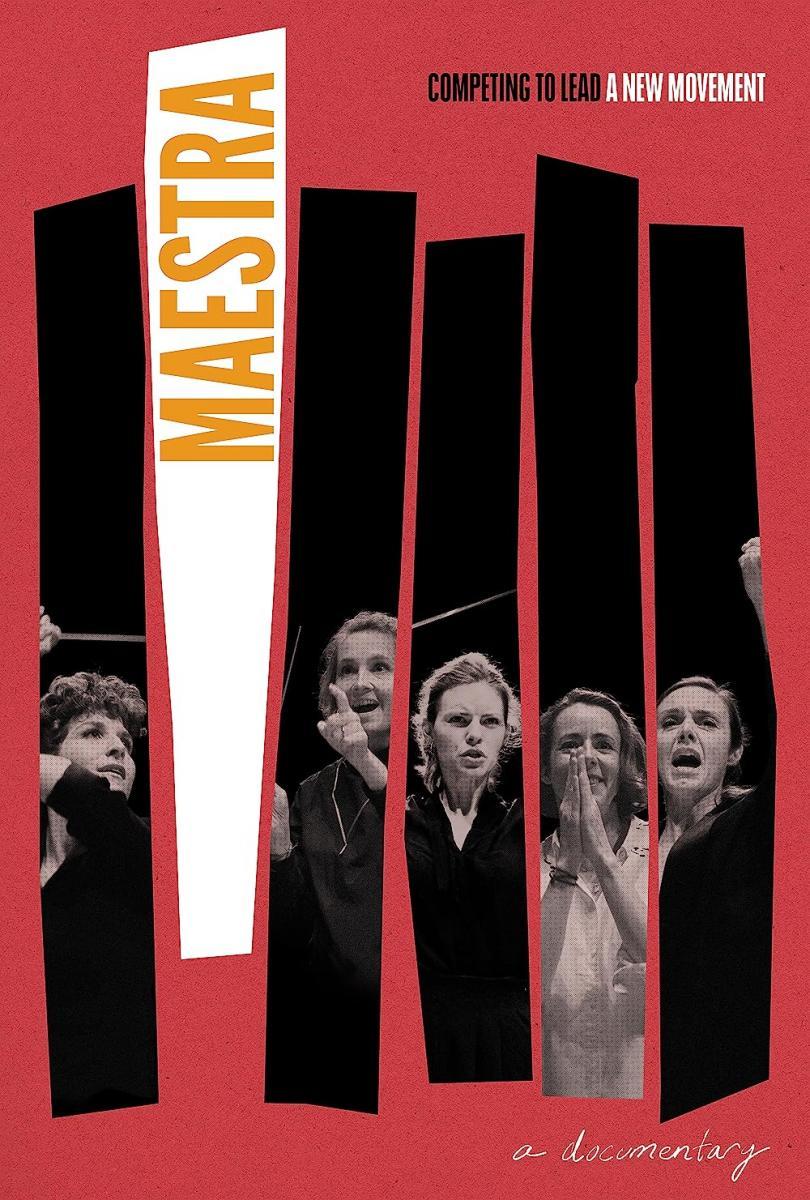
The documentary Maestra caught me off guard. I went in expecting a straightforward account of women conductin (about time!), and found something more layered: a film about what it costs to insist on space in a field that wasn’t built to accommodate you. The competition footage is tense, but the quieter moments (the doubt, the preparation, the small negotiations with self-belief) are where it lands hardest.
Listening
Beyond the aforementioned Fragments, I’ve been spending time with the Játékok pieces for piano. There’s a compression in Kurtág’s writing that I find beyond fascinating: entire emotional worlds in thirty seconds, not a note wasted. It’s the opposite of indulgence, but far from leaving the listener with a sense of scarcity.
Saariaho remains a constant (my absolute rockstar, candidly). Orion and Laterna Magica particularly, as of late. Her indecent sense of timbral colour is something I keep reaching for when my own palette feels stale; there’s a patience to how she lets textures evolve that makes my own attempts feel clumsy by comparison… and yet I always leave wanting to write more, not less.
Gabriel Kahane’s Book of Travelers is a recent arrival and already feels essential. Kahane spent a cross-country train journey collecting stories from strangers, then turned them into a song cycle that sits somewhere between art song and Americana. The formal ambition is considerable (each song its own world, its own harmonic language), but what stays with me is how he handles other people’s voices without appropriating them. A composer listening before composing. (Also, if you never saw the apartment session of his “Empire Liquor Mart (9127 S. Figueroa St.)” you’re doing yourself a major disservice)
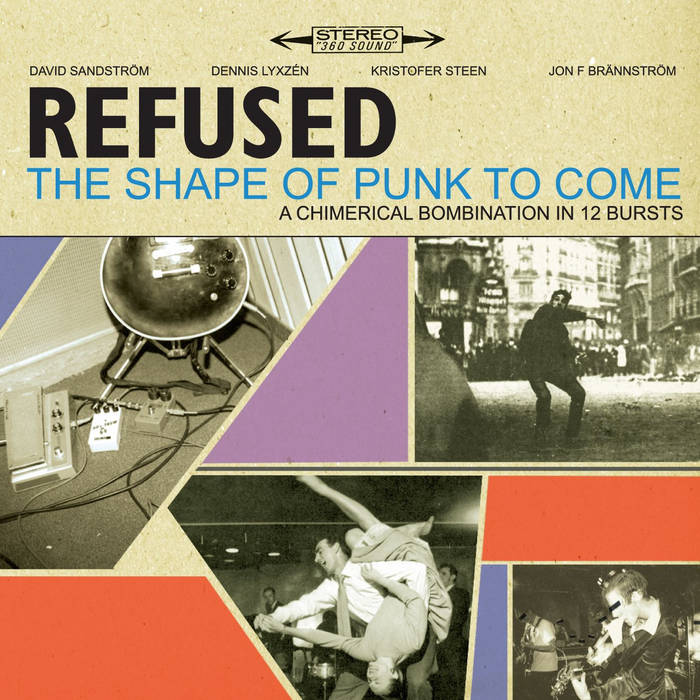
And the guilty pleasure I’m done being sheepish about: Refused, The Shape of Punk to Come. I came to it well past any plausible angst phase, but what got me had nothing to do with adolescent rebellion. It was the energy, the political conviction, and above all the ability to walk that fine line between raw and sophisticated (the time signature games, the noise interludes, the refusal to let a riff settle into comfort). Punk that treats structure as a provocation rather than a cage. I still find it exhilarating, and I’ve stopped pretending that’s incongruent with the rest of what I listen to.
The pattern
Looking at this list, the through-line seems to be people who take structure seriously while refusing to be imprisoned by it. Kurtág compressing entire worlds into fragments. Kahane building a song cycle from strangers’ voices on a train. Refused treating punk as a compositional problem. Stiegler insisting that the tool and the human who wields it can’t be separated. They all treat the rules as raw material rather than scripture, which probably says more about me than about them.
Feels about right.